Recurring Mold or Bad Reviews on Loofah? Here's How to Tell If It's Time to Switch Suppliers
One bad shipment doesn't necessarily mean your supplier is the problem. Three bad shipments in a row usually does. The hard part is knowing which situation you're actually in before you commit to changing anything.
If you're already selling loofah and dealing with mold complaints, fast wear, or a cluster of 1–3 star reviews, this is a framework for telling a one-off issue apart from a sourcing problem worth acting on — and what actually switching looks like if you decide it's the latter.
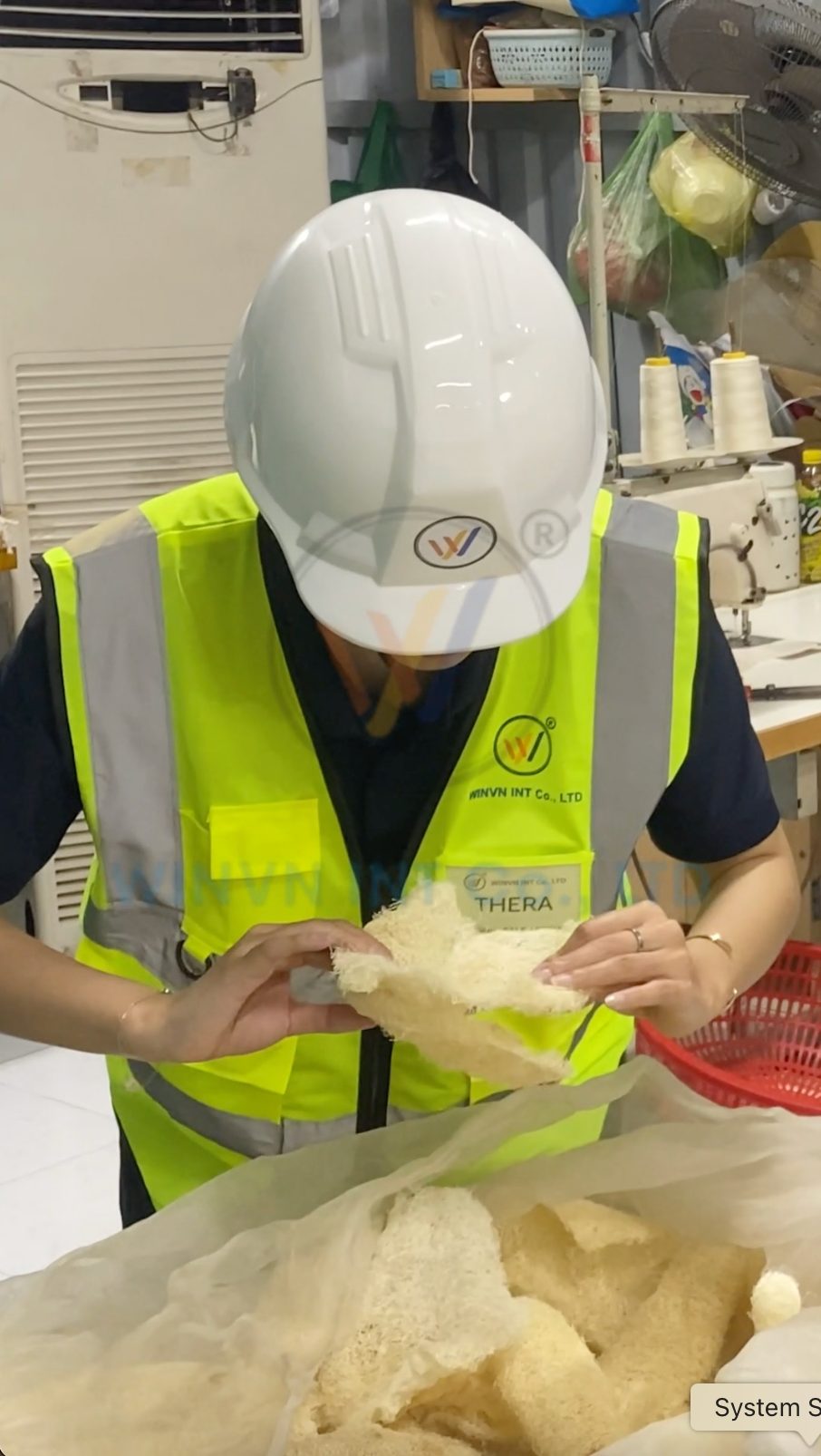
First, rule out storage and handling
Before looking at the supplier, look at what happened after the loofah left the factory. Mold risk in loofah is driven almost entirely by moisture — fiber that absorbs humidity during a long, damp storage period or sits in a sealed container without airflow can develop mold even if it left the source in good condition. If the affected batch sat in a warehouse through a humid season, or was packed in fully sealed plastic for weeks, that's a handling variable worth ruling out first.
Then, look for a pattern — not a single incident
A single shipment with a problem is frustrating, but it isn't yet evidence of a systemic issue. What separates a one-off from a signal worth acting on is repetition:
- One-off: one batch out of several has mold, uneven texture or higher-than-usual defect complaints, and the rest have been fine.
- Pattern: mold, fast wear or "falls apart" reviews show up across more than one order, or moisture/maturity feels inconsistent shipment to shipment even when storage conditions on your end haven't changed.
The second case is where it's worth pressure-testing the sourcing itself, not just the most recent shipment.
What actually drives loofah mold and durability
Two factors do most of the work here, and both are things you can ask a supplier about directly rather than guessing from a photo:
| Factor | Why it matters |
|---|---|
| Harvest maturity | Loofah harvested young has a softer, less durable fiber structure than fully matured loofah (6+ months) and tends to wear out or break down faster. |
| Moisture control | Fiber that isn't dried down to a low, stable moisture level before packing is the most common direct cause of mold showing up after the product reaches a shelf or a customer's home. |
One thing that's not a reliable warning sign on its own: color. Natural loofah develops a yellow or ivory tone as it matures and dries — that's expected, not a defect. Mold, a sour smell, or a soft, mushy texture are the actual signals to watch for.
What switching actually looks like — without betting your whole catalog
Switching suppliers doesn't have to mean cutting off your current source cold or ordering a full container from someone new sight unseen. A lower-risk path:
- Request a sample from the alternative supplier and compare it side by side with a unit from your current stock — texture, color, smell, how it dries.
- Place a small trial order (from 100 pcs) sized to test consistency across a real production batch, not just one hand-picked sample.
- Only shift full volume once the trial batch has held up — ideally after it's been sitting in your actual storage conditions for a few weeks, not just fresh out of the box.
What to ask before switching: harvest maturity, moisture level at time of shipping, and how fiber is graded for different uses (face, bath, kitchen). A supplier who can answer these specifically — not just "premium quality" — is easier to plan around long-term.
FAQ
One shipment of loofah had mold — does that mean I need a new supplier?
Not necessarily. A single affected shipment can come from a storage or shipping condition issue rather than the supplier's process. It becomes a supplier-level signal when the same problem repeats across more than one order, especially if moisture or maturity looks inconsistent batch to batch.
Is a slightly yellow or uneven color on loofah a quality problem?
No. Natural loofah develops a yellow or ivory tone over time as part of maturing and drying — that's a normal characteristic of the fiber, not dirt or spoilage. Mold, a sour smell, or a soft/mushy texture are the actual warning signs, not color alone.
Do I have to fully switch suppliers to test an alternative?
No. A low-MOQ sample or trial order from 100 pcs lets you compare quality side by side with your current stock before moving any real volume, so you're not choosing between staying and switching blind.
What should I check in a new supplier's loofah before switching?
Harvest maturity, moisture control at the time of shipping, and how fiber is graded for different uses (face, bath, kitchen) are the checkpoints worth asking about directly — they're the factors most tied to mold risk and durability once the product is on a customer's shelf.
Weighing whether to test an alternative loofah source?Get your wholesale price and a sample matched to your current SKU — within 24–48h.
Get wholesale price →